×
- Hello
- Login or Register
- Quick Links
- Live Chat
- Track Order
- Parts Availability
- RMA
- Help Center
- Contact Us
- Shop for
- Honda Parts
- Honda Accessories

My Garage
My Account
Cart
Genuine Honda Fuel Pump
Gas Pump- Select Vehicle by Model
- Select Vehicle by VIN
Select Vehicle by Model
orMake
Model
Year
Select Vehicle by VIN
For the most accurate results, select vehicle by your VIN (Vehicle Identification Number).
249 Fuel Pumps found
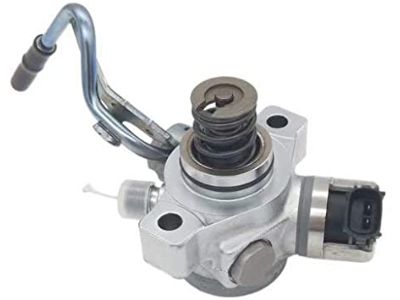

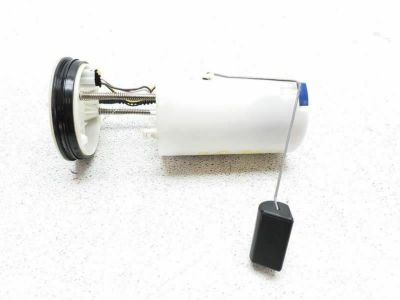
Honda Pump Assembly, Fuel High Pressure
Part Number: 16790-5LA-A01$570.65 MSRP: $849.18You Save: $278.53 (33%)Product Specifications- Other Name: Fuel Pump
- Replaced by: 06161-5LA-305


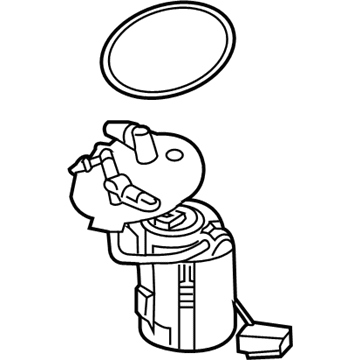
 Product Specifications
- Other Name: Module Set, Fuel Pump; Fuel Pump, Fuel Pump Assembly
- Replaces: 17045-TBA-A01, 17045-TBA-A02, 17045-TBA-A00
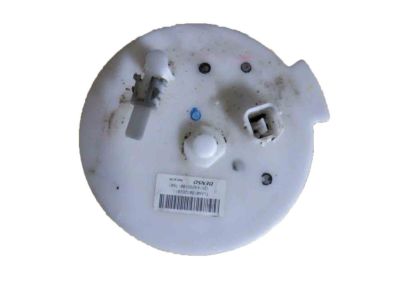
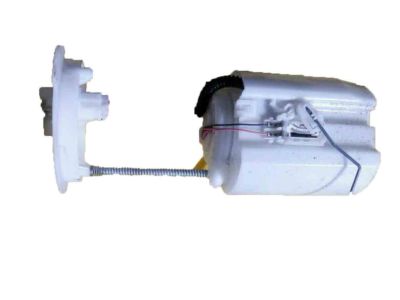
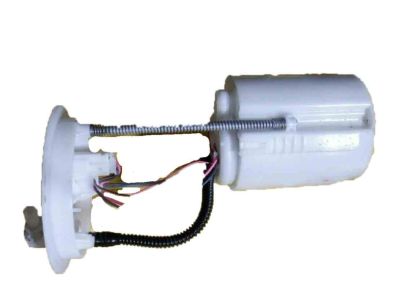
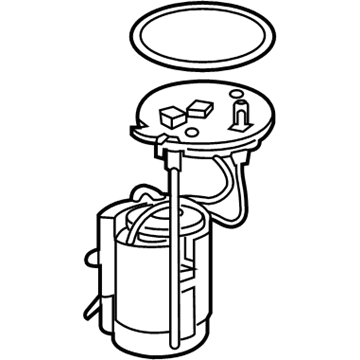
 Product Specifications
- Other Name: Fuel Pump, Fuel Pump Assembly
- Replaces: 17045-TLA-A00, 17045-TLA-A01


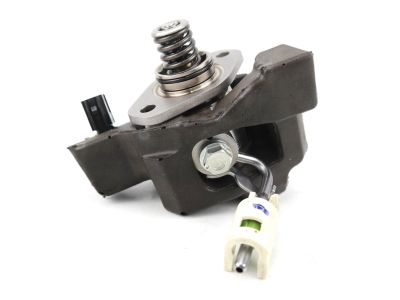
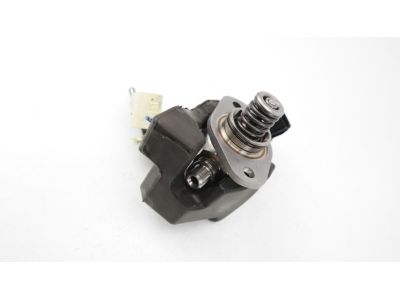
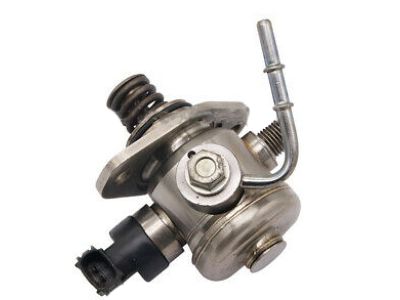
Honda Pump Assembly, Fuel High Pressure
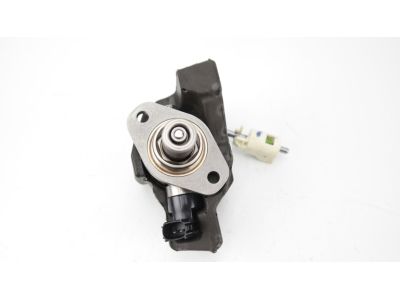
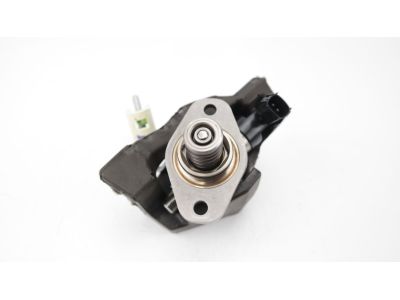
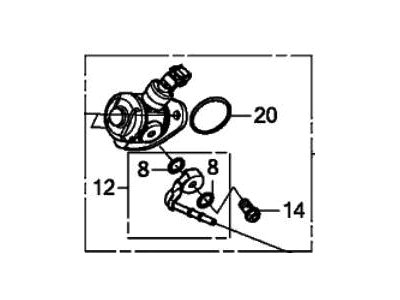
Part Number: 16790-5LA-305$569.60 MSRP: $847.62You Save: $278.02 (33%)Product Specifications- Other Name: Fuel Pump
- Replaces: 16790-5A2-A01
 Product Specifications
- Other Name: Fuel Pump
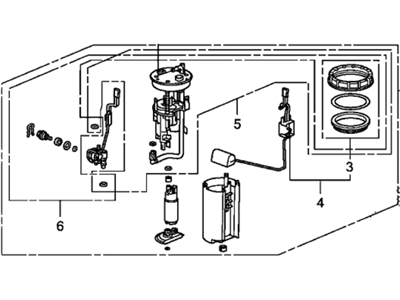
 Product Specifications
- Other Name: Fuel Pump Assembly; Fuel Pump


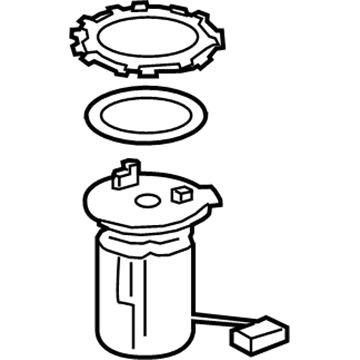
 Product Specifications
- Other Name: Fuel Pump, Fuel Pump Assembly
- Replaces: 17045-TVA-A01, 17045-TVA-A02
Honda Pump Assembly, Fuel High Pressure
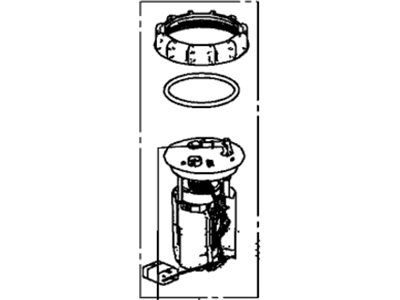
Part Number: 16790-5R1-J01$385.05 MSRP: $562.93You Save: $177.88 (32%)Product Specifications- Other Name: Fuel Pump

 Product Specifications
- Other Name: Fuel Pump Assembly
- Replaced by: 17045-T2A-A02

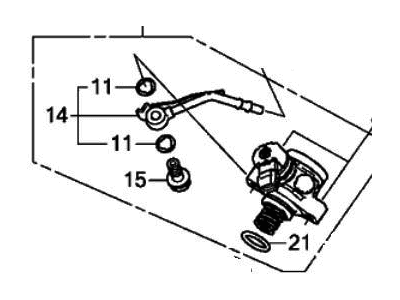

Honda Pump Assembly, Fuel High Pressure
Part Number: 16790-6B2-A01$377.43 MSRP: $551.80You Save: $174.37 (32%)Product Specifications- Replaced by: 06161-6B2-305
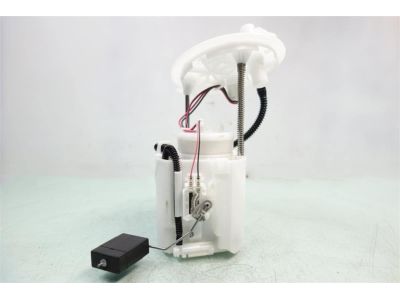
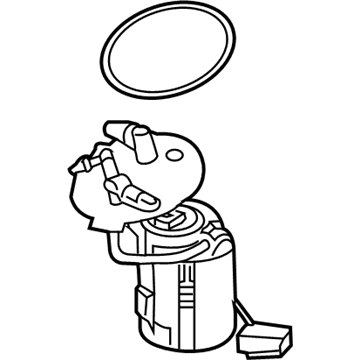
 Product Specifications
- Other Name: Fuel Pump Assembly
- Replaced by: 17045-TBA-A03
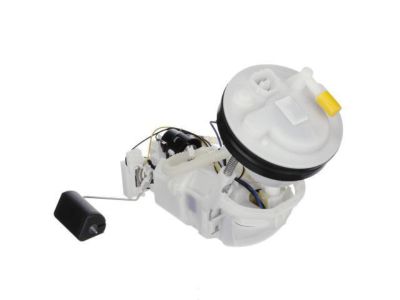

Honda Module Assembly, Fuel Pump (Yachiyo)
Part Number: 17045-S5A-A00$590.52 MSRP: $863.33You Save: $272.81 (32%)Product Specifications- Other Name: Fuel Pump Assembly; Fuel Pump
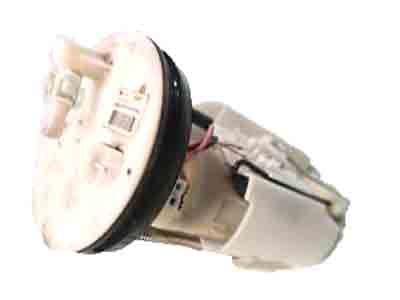


 Product Specifications
- Other Name: Fuel Pump Assembly; Fuel Pump
- Replaces: 17045-TK8-A00
 Product Specifications
- Other Name: Fuel Pump, Fuel Pump Assembly
- Replaces: 17045-TVC-A01, 17045-TVC-A02, 17045-TVC-A03


 Product Specifications
- Other Name: Fuel Pump Assembly
- Replaced by: 17045-TK8-A11
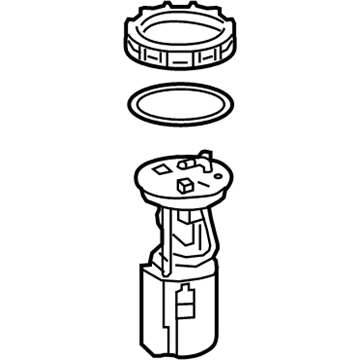
 Product Specifications
- Other Name: Fuel Pump, Fuel Pump Assembly
- Replaces: 17045-TG7-A10
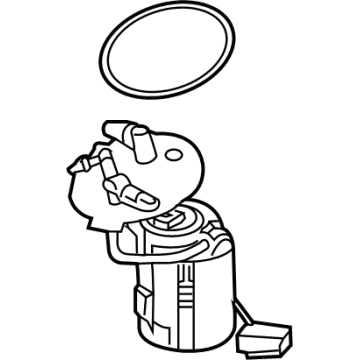
 Product Specifications
- Other Name: Fuel Pump, Fuel Pump Assembly
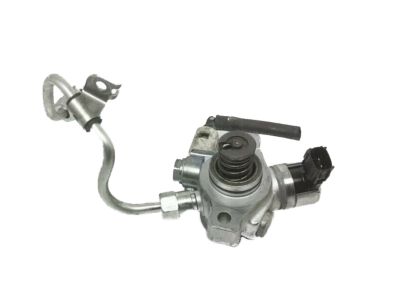
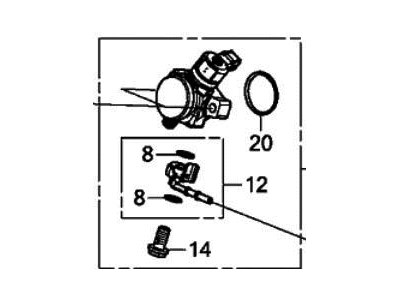
Honda Pump Assembly, Fuel High Pressure
Part Number: 16790-5PC-H02$502.87 MSRP: $735.18You Save: $232.31 (32%)Product Specifications- Replaced by: 06161-5PC-315
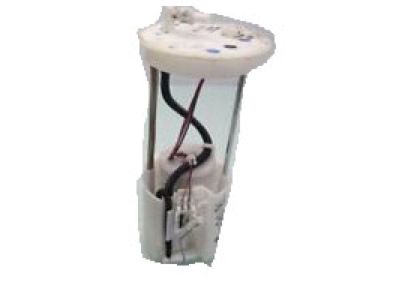
 Product Specifications
- Other Name: Fuel Pump Assembly
- Replaced by: 17045-TZ5-A11


 Product Specifications
- Other Name: Fuel Pump Assembly; Fuel Pump
| Page 1 of 13 |Next >
1-20 of 249 Results
About Honda Fuel Pump
The fuel pump is designed to deliver the fuel from fuel tank to somewhere else according to the demand in your Honda. You are wasting your money if the fuel pump in you Honda does not work correctly, since you may consume more gas when driving the same distance. A fuel pump in the good condition assures your Honda driving more smoothly. For your fuel pump good, it is better to keep at least 25% tank of gas all the time. Otherwise, it's too hard for fuel pump to work. Here are some symptoms showing your fuel pump is failing: if your Honda hesitates to start, or has some excessive whining sound, or the Check Engine Light (CEL) is on, or you feel a loss of acceleration power, then there may be something wrong with your fuel pump. Therefore, you need a high-performance fuel pump to match your Honda. We offer you all Honda OEM fuel pump with an attractive cheap price.
Honda Fuel Pump Parts Questions & Experts Answers
- Q:How to check fuel pump and fuel pressure on Honda Del Sol?A:If you suspect insufficient fuel delivery, first inspect all fuel lines to ensure that the problem is not simply a leak in a line. Set the parking brake and have an assistant turn the ignition switch to the ON position while you listen to the fuel pump; you should hear a whirring sound for a couple of seconds, which should become continuous when the engine starts. If there is no sound, either the fuel pump or the fuel main relay circuit is defective. Relieve the fuel pressure, remove the service bolt from the top of the service fitting on the fuel filter, and attach a fuel pressure gauge using a special adapter. If you cannot find the proper adapter, you can fabricate one from a bolt and nut. Start the engine and check the pressure on the gauge, then detach the vacuum hose from the fuel pressure regulator to measure the fuel pressure. If the fuel pressure is not within specifications, check for vacuum at the hose, inspect the fuel filter, and look for any pinched or clogged hoses. If there are no issues with these components, check the fuel pump by removing the rear seat and the protective covering to access the fuel pump. Verify the pump runs by having an assistant turn the ignition switch to ON; you should hear a brief whirring noise. If the pump does not come on, disconnect the main fuel pump relay connector and install a jumper wire between the appropriate terminals, then check for battery voltage at the fuel pump electrical connector. If voltage is available but the pump doesn't run, replace the fuel pump. To test the main relay, remove it from its location, check for battery voltage at the connector, and verify continuity between the relay terminals using jumper wires. If there is no continuity, replace the relay, and check the wiring harness from the fuses to the relay and the pump.
- Q:Where is the fuel pump located and what are the steps for its removal and installation on carbureted engine on Honda Passport?A:It is housed at the bottom of the engine block, beneath the intake manifold, close to the engine mounts. Put some pieces of rag around the fuel pump to allow you to capture any drop of gasoline that may drop during this process. Loosen and remove the fuel line fittings without causing any harm to the line fittings; use the flare-nut wrench but back it up with an equal wrench on the side of the pressure fitting. Denut and disconnect the fuel pump. Initially, apply gasket sealant onto both sides of the gasket surface then place the gasket and the fuel pump on the block, then fit the bolts and tighten them as required. The lines needs to be connected to the pump and the pressure fitting needs to be tightened well, using a flare-nut wrench if you have one as they can damage the fitting otherwise. Last but not the least; power the engine and look out for fluid leaks.

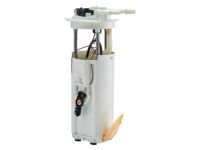
Related Honda Parts
 Honda Fuel Injector O-Ring
 Honda Throttle Body
 Honda Fuel Injector
 Honda Throttle Body Gasket
 Honda Throttle Cable
 Honda Fuel Tank
 Honda Turbocharger
 Honda Fuel Rail
 Honda Accelerator Cable
 Honda Fuel Level Sensor
 Honda Fuel Temperature Sensor
 Honda Vacuum Pump
Browse by Model
Accord Fuel Pump Accord Hybrid Fuel Pump Civic Fuel Pump Civic Hybrid Fuel Pump Clarity Plug-In Hybrid Fuel Pump CR-V Fuel Pump CR-V Hybrid Fuel Pump CR-Z Fuel Pump Crosstour Fuel Pump CRX Fuel Pump Del Sol Fuel Pump Element Fuel Pump Fit Fuel Pump HR-V Fuel Pump Insight Fuel Pump Odyssey Fuel Pump Passport Fuel Pump Pilot Fuel Pump Prelude Fuel Pump Ridgeline Fuel Pump S2000 Fuel Pump