×
- Hello
- Login or Register
- Quick Links
- Live Chat
- Track Order
- Parts Availability
- RMA
- Help Center
- Contact Us
- Shop for
- Honda Parts
- Honda Accessories

My Garage
My Account
Cart
Genuine Honda Prelude Lug Nuts
Wheel lock lug nuts- Select Vehicle by Model
- Select Vehicle by VIN
Select Vehicle by Model
orMake
Model
Year
Select Vehicle by VIN
For the most accurate results, select vehicle by your VIN (Vehicle Identification Number).
14 Lug Nuts found
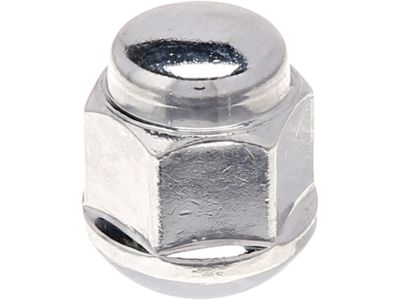
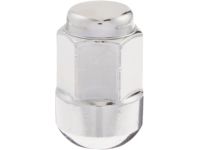
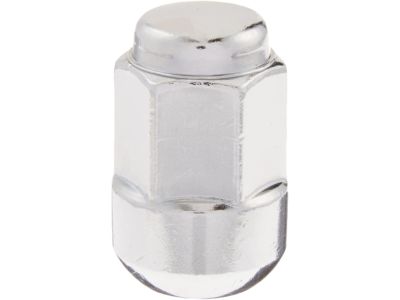
Honda Prelude Nut, (Wheel Chrome Plated) (Fuse Rashi)
Part Number: 90304-SA5-013$9.97 MSRP: $14.19You Save: $4.22 (30%)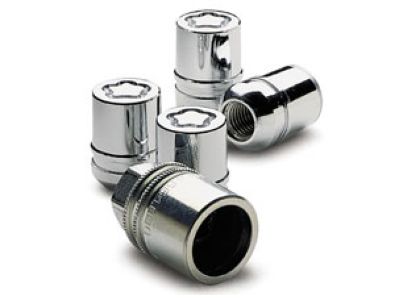
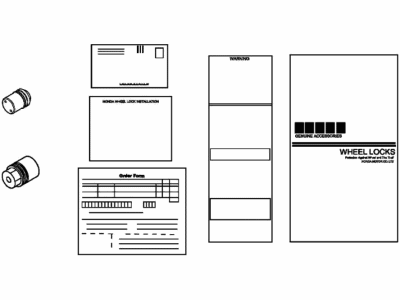

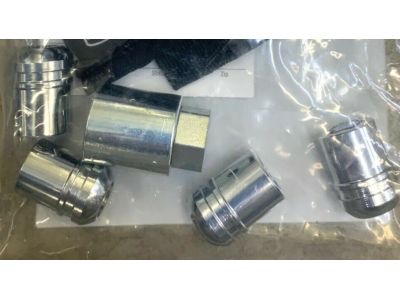
Honda Prelude WHEEL LOCKS, CHROME (Expose)
Part Number: 08W42-SNA-101$53.10 MSRP: $75.00You Save: $21.90 (30%)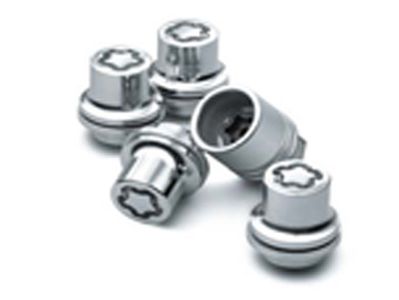
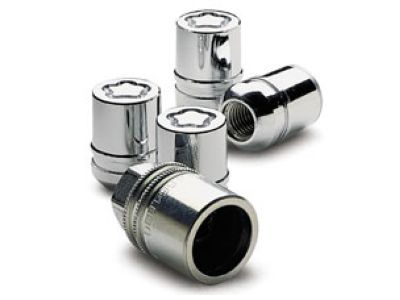
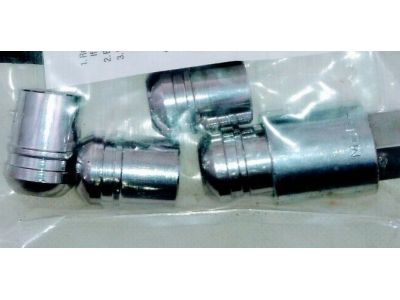
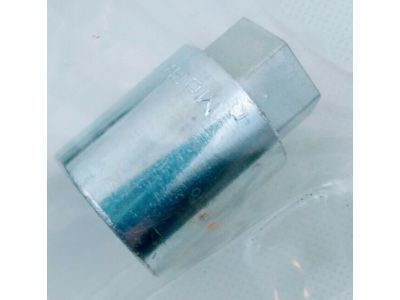
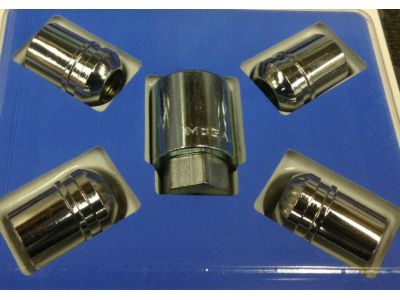
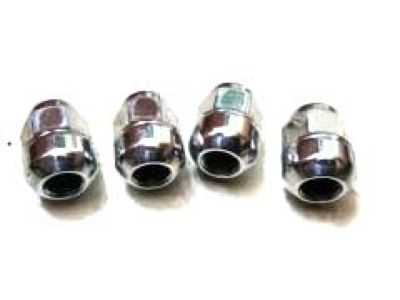

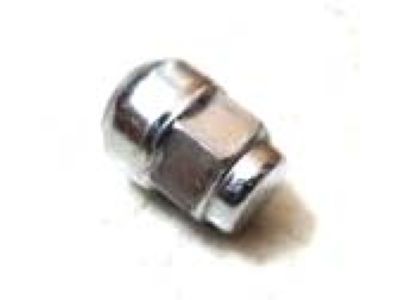
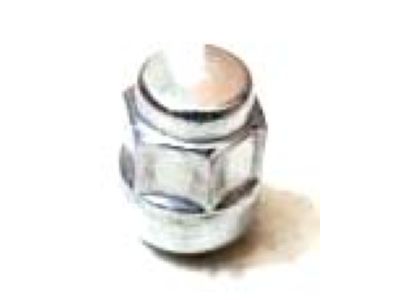
Honda Prelude Nut, Wheel (Fuse Rashi)
Part Number: 90304-SF0-751$12.86 MSRP: $18.31You Save: $5.45 (30%)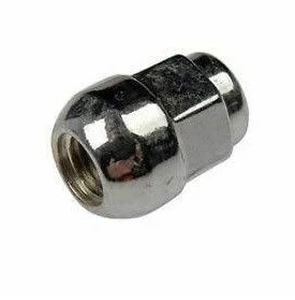

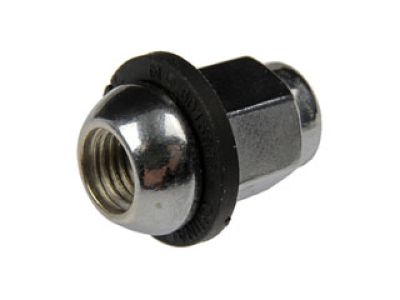
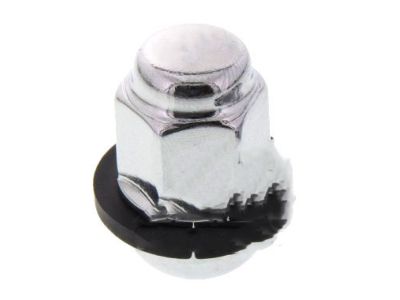
Honda Prelude Nut, Wheel (Fuse Rashi)
Part Number: 90304-SA0-981$22.04 MSRP: $31.41You Save: $9.37 (30%)


Honda Prelude Nut, Wheel (Ohashi)
Part Number: 90304-SEL-T01$22.23 MSRP: $31.41You Save: $9.18 (30%)

Honda Prelude Lock Set, Wheel (Exposed)
Part Number: 08181-SF0A1AH$53.10 MSRP: $75.00You Save: $21.90 (30%)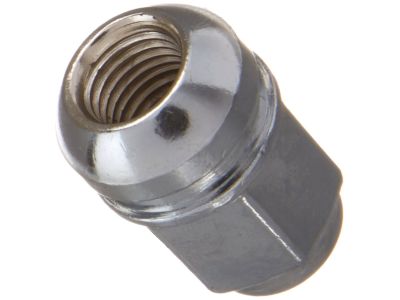

Honda Prelude Nut, Wheel (Fuse Rashi)
Part Number: 44736-SA0-981$10.90 MSRP: $15.41You Save: $4.51 (30%)
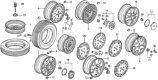
Honda Prelude Lug Nuts
Honda Prelude Lug Nuts hold it tight and secure on every wheel, so that it holds the car firmly while on the road. Made from hardened steel and triple chrome plating, these Lug Nuts are resistant to rust and will remain shiny despite the wrenching work happening frequently. Through the long Prelude run, there were two styles of the nut that were seen by the buyer, a regular chrome nut and a lock type using a keyed pattern for protection from theft. Both have a tapered seat ensuring the wheel is centered on the hub, but the lock version also has asymmetric grooves that foil tools applied to steal sockets. Correct factory torque allows all the Honda wheels to be seated evenly and helps to avoid warped rotors. Should corrosion or damage occur, replacing just one lug nut can cost only a few, although in lock versions, Lug Nuts are in the upper price bracket. The correct thread pitch and seat profile keep new Prelude wheels tight in hard corners or on daily trips. Due to the fact that each generation of Honda uses the same stud size, mixing other lug styles can lead to vibration or loose wheels. Keeping factory Lug Nuts clean, torqued, and grit free is the solution to any fifth generation Prelude being able to stay confident on the road. Regular attention to small Honda fasteners proves Lug Nuts play a big role in overall safety.
In search of affordable OEM Honda Prelude Lug Nuts? Consider browsing through our extensive inventory of genuine Honda Prelude Lug Nuts. Not only do we provide market-leading prices and a manufacturer's warranty, but we also pride ourselves on exceptional customer service and swift delivery.
Honda Prelude Lug Nuts Parts Questions & Experts Answers
- Q:How to Replace Lug Nuts on a Honda Prelude?A:You need to take off the front Steering Knuckle and replace the axle nut when putting in new wheel lug studs at the front of your vehicle. They have to pull out the hub before the wheel lug stud can move in and out of the bearing. You start replacing front wheel lug studs by taking away the main front knuckle. Then put the hub's rear side over an impact socket that can accommodate the button head of the stud without touching it. Use either a hydraulic press or a ball peen hammer, and put the stud into the socket as you push it out of the hub. Install the Wheel Hub so that its front side touches a deep socket without hitting the bottom when you tighten everything. Use an impact wrench to force the long thread part of the stud up from behind into the hub until the button head stops moving. Attach the hub sub-assembly to the knuckle when you put it back. When putting in replacement studs, apply a fresh wheel nut to each one and tighten them to 80 ft. lbs. (108 Nm) of torque. Twist on a fresh axle nut, tighten it to 181 ft. lbs. (245 Nm), and make standard marks on the nut to keep it solid. To access the rear hub, first remove it. Then place the hub over a deep socket, with the displaced side facing down, and hit the stud to push it into the socket. Put the front side of the hub into an impact socket, placing its surface directly against the bottom edge. The socket should be deep enough that the threaded part of the hub doesn't reach the bottom. Push the button head of the stud until it rests on the hub's back. The opposite of removal steps, new wheel bolt nuts go on every stud, run to 80 foot-pound (108 newton-meter) torque setting, and put on new axle bolt after 181 foot-pound (245 newton-meter) tightening, before wedging the axle nut for permanent locking.