×
- Hello
- Login or Register
- Quick Links
- Live Chat
- Track Order
- Parts Availability
- RMA
- Help Center
- Contact Us
- Shop for
- Honda Parts
- Honda Accessories

My Garage
My Account
Cart
Genuine Honda CR-V Brake Caliper
Caliper- Select Vehicle by Model
- Select Vehicle by VIN
Select Vehicle by Model
orMake
Model
Year
Select Vehicle by VIN
For the most accurate results, select vehicle by your VIN (Vehicle Identification Number).
60 Brake Calipers found
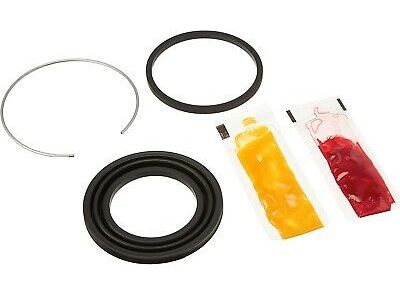




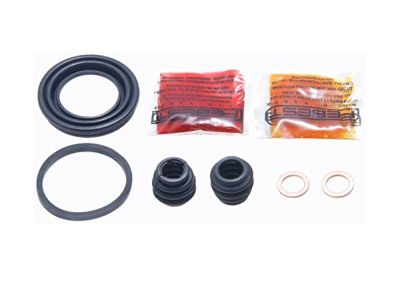

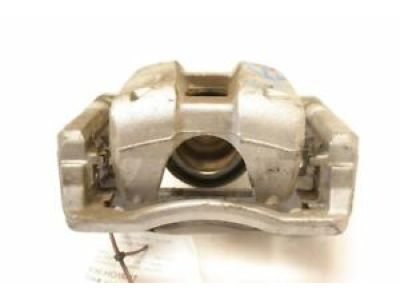
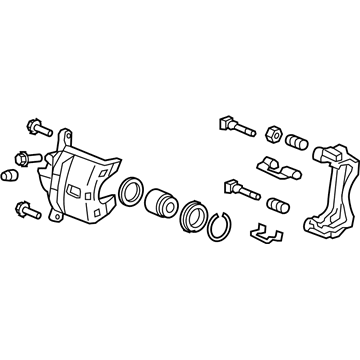
Honda CR-V Left Front Caliper Sub-Assembly
Part Number: 45019-TLA-A01$268.33 MSRP: $388.88You Save: $120.55 (31%)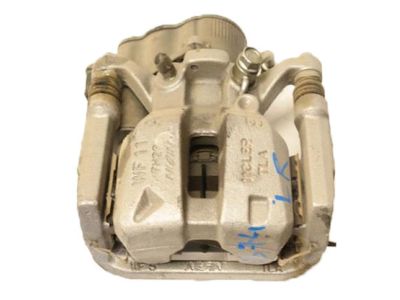
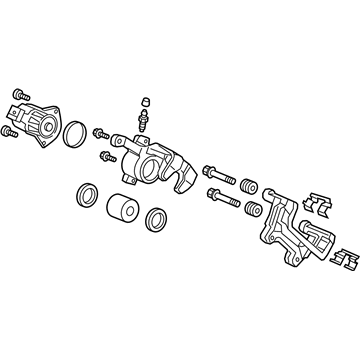
Honda CR-V Left Rear Caliper Sub-Assembly
Part Number: 43019-TLA-A01$270.47 MSRP: $391.98You Save: $121.51 (31%)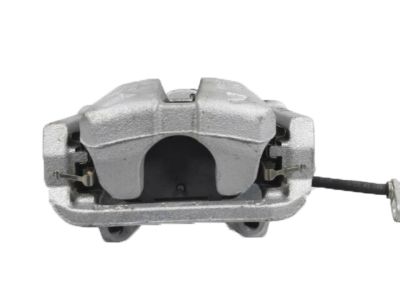
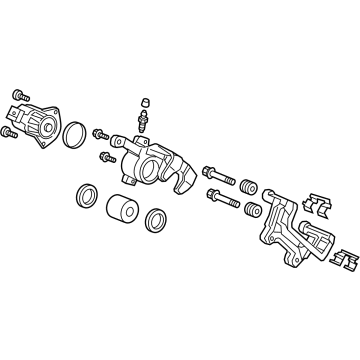
Honda CR-V Right Rear Caliper Sub-Assembly
Part Number: 43018-TLA-A01$270.47 MSRP: $391.98You Save: $121.51 (31%)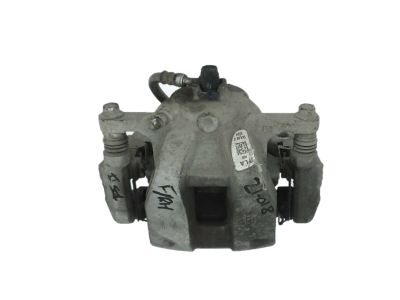
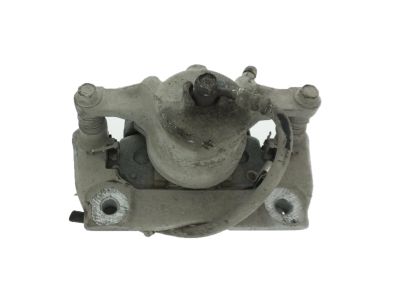
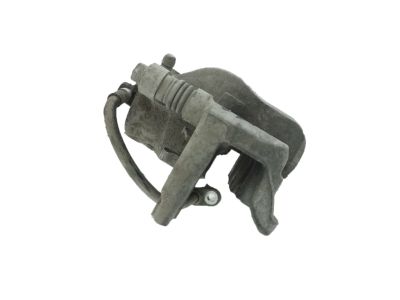
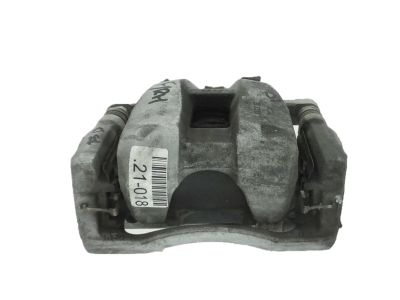
Honda CR-V Right Front Caliper Sub-Assembly
Part Number: 45018-TLA-A01$268.33 MSRP: $388.88You Save: $120.55 (31%)

Honda CR-V Caliper Sub-Assembly R
Part Number: 43018-T0G-A01$227.00 MSRP: $328.98You Save: $101.98 (31%)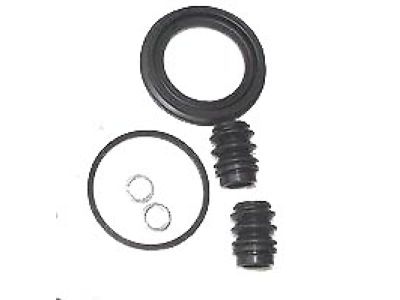


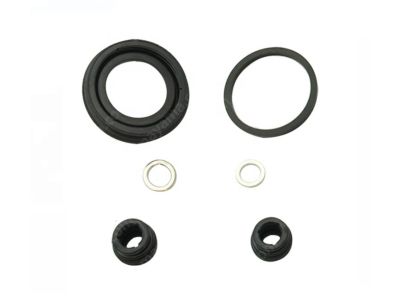
Honda CR-V Caliper Set, FR. (Ad57-15")
Part Number: 01463-S9A-A00$62.33 MSRP: $88.02You Save: $25.69 (30%)

Honda CR-V Caliper Sub-Assembly L
Part Number: 43019-T0G-A01$227.00 MSRP: $328.98You Save: $101.98 (31%)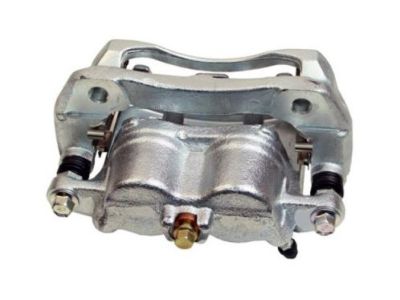

Honda CR-V Caliper Sub-Assembly, Driver Side
Part Number: 45019-SHJ-A01$268.33 MSRP: $388.88You Save: $120.55 (31%)


Honda CR-V Left Front Caliper Sub-Assembly
Part Number: 45019-T0G-000$271.49 MSRP: $393.47You Save: $121.98 (31%)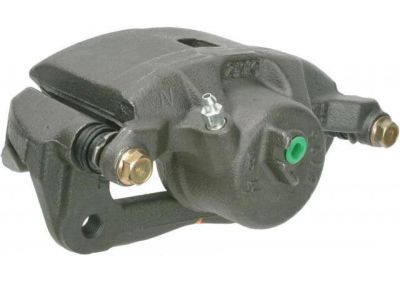

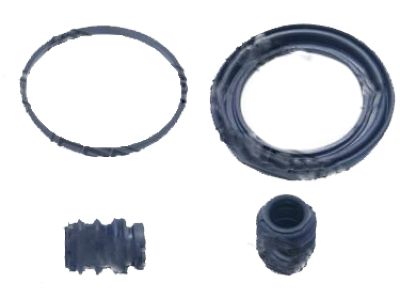
Honda CR-V Caliper, Front (Reman)
Part Number: 45018-S9A-A02RM$120.06 MSRP: $171.72You Save: $51.66 (31%)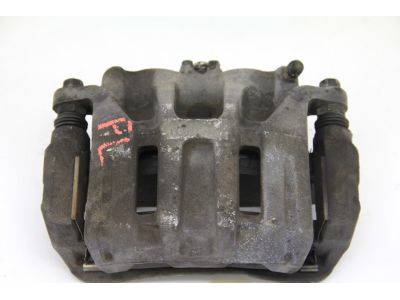


Honda CR-V Caliper Sub-Assembly, Passenger Side
Part Number: 45018-SHJ-A01$268.33 MSRP: $388.88You Save: $120.55 (31%)


Honda CR-V Right Front Caliper Sub-Assembly
Part Number: 45018-T0G-000$280.45 MSRP: $406.45You Save: $126.00 (31%)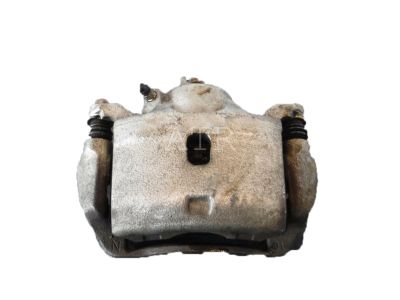

Honda CR-V Caliper, Front (Reman)
Part Number: 45019-S9A-A02RM$120.06 MSRP: $171.72You Save: $51.66 (31%)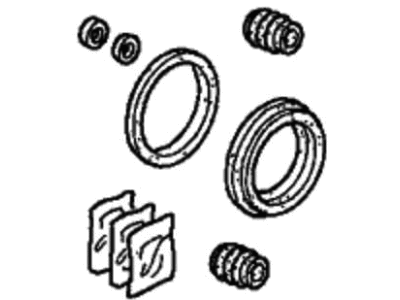

| Page 1 of 3 |Next >
1-20 of 60 Results
Honda CR-V Brake Caliper
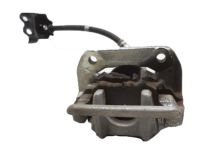
The Brake Caliper in Honda CR-V is one of the features of disc brake system and its function is to convert hydraulic pressure from a master cylinder into mechanical pressure. This mechanism works by clamping the brake pads against the rotors in order to bring the vehicle to a standstill. Honda CR-Vs typically utilize two main types of brake calipers: there are two types; the fixed and the floating. Fixed calipers are installed and firmly secured on the vehicle and comprise of many pistons, on either side of the rotor, with better performance, though more expensive. Sliding calipers are those with only one piston through which it moves to locate and place pressure on both the sides of the rotor and therefore are more liable to problems in form of sticking because of dirt or corrosion. The brake caliper may undergo wear particularly on the sliding pins and this will manifest in brake fluid leakage, uneven wearing of the pads, spongy feeling on the brake pedal. Maintenance of the brake caliper is important in that failure can be dangerous hence the need to ensure that the brake caliper is working effectively.
In search of affordable OEM Honda CR-V Brake Caliper? Consider browsing through our extensive inventory of genuine Honda CR-V Brake Caliper. Not only do we provide market-leading prices and a manufacturer's warranty, but we also pride ourselves on exceptional customer service and swift delivery.
Honda CR-V Brake Caliper Parts Questions & Experts Answers
- Q:How to replace a Brake Caliper on Honda CR-V?A:Take off the front wheel's lug nuts while keeping them loose, raise your vehicle up from the front with jackstands, and safely support it before taking the front wheels off. Plug the Brake Line at its connection to the caliper, using seals to block foreign material. Only do this if you must disconnect for access to other brake parts. Undo the caliper bolts, and pull the caliper away from its holder. Run the brake line back in place, fitting fresh sealing washers one per side, and tighten up the bolt that holds the caliper and the banjo bolt. Before wheel installation, release excess brake fluid from the system. Secure the wheels by hand-tightening their lug nuts, then lower the vehicle while tightening all lug nuts securely. Fasten but do not take off the lug nuts from the rear wheels, lift the back of the car, and put jackstands under it securely before you remove the rear wheels. Take off the banjo bolt and disconnect the brake line from the caliper, using a plugging fitting to stop fluid from spilling out and getting contaminated unless you need to remove the caliper for other parts. Turn off the hydraulic caliper mounting bolts while pinching the caliper pins with another wrench, allowing you to slide the caliper loose from its attachment bracket. Reinstall by plugging the brake line opening, putting new sealing washers on both sides, tightening caliper fasteners, and screwing the banjo bolt in place. Bleed the brake system, then install the wheels and lug nuts, lower the vehicle, and tighten the lug nuts.
Related Honda CR-V Parts


Browse by Year
2026 Brake Caliper 2025 Brake Caliper 2024 Brake Caliper 2023 Brake Caliper 2022 Brake Caliper 2021 Brake Caliper 2020 Brake Caliper 2019 Brake Caliper 2018 Brake Caliper 2017 Brake Caliper 2016 Brake Caliper 2015 Brake Caliper 2014 Brake Caliper 2013 Brake Caliper 2012 Brake Caliper 2011 Brake Caliper 2010 Brake Caliper 2009 Brake Caliper 2008 Brake Caliper 2007 Brake Caliper 2006 Brake Caliper 2005 Brake Caliper 2004 Brake Caliper 2003 Brake Caliper 2002 Brake Caliper 2001 Brake Caliper 2000 Brake Caliper 1999 Brake Caliper 1998 Brake Caliper 1997 Brake Caliper