×
- Hello
- Login or Register
- Quick Links
- Live Chat
- Track Order
- Parts Availability
- RMA
- Help Center
- Contact Us
- Shop for
- Honda Parts
- Honda Accessories

My Garage
My Account
Cart
Genuine Honda Catalytic Converter
Cat. Converter- Select Vehicle by Model
- Select Vehicle by VIN
Select Vehicle by Model
orMake
Model
Year
Select Vehicle by VIN
For the most accurate results, select vehicle by your VIN (Vehicle Identification Number).
421 Catalytic Converters found
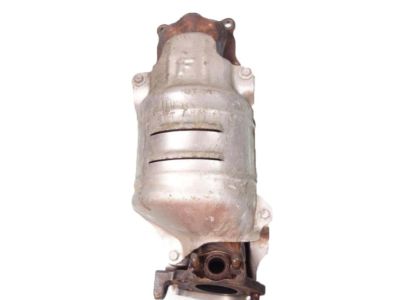

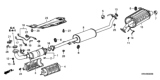
Honda Converter, Front Primary
Part Number: 18190-RN0-A01$1077.08 MSRP: $1572.83You Save: $495.75 (32%)Product Specifications- Other Name: Catalytic Converter; Exhaust Manifold, Preconverter
- Position: Front
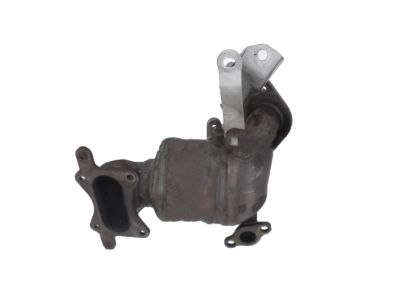

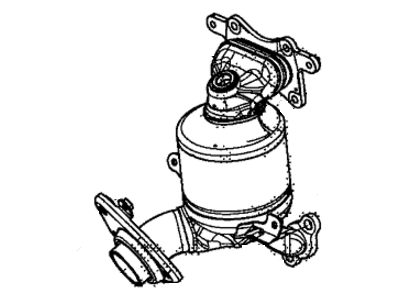
 Product Specifications
- Other Name: Catalytic Converter; Exhaust Manifold
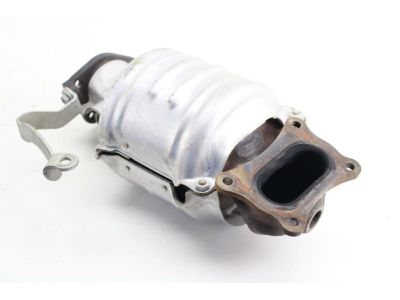


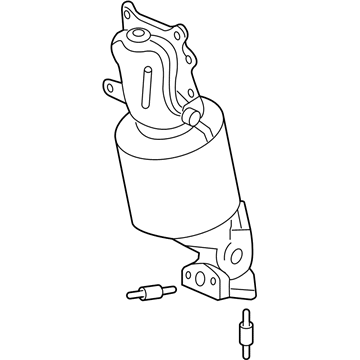
Honda Converter Assy., RR. Primary
Part Number: 18280-RN0-A20$1077.08 MSRP: $1572.83You Save: $495.75 (32%)Product Specifications- Other Name: Catalytic Converter; Exhaust Manifold
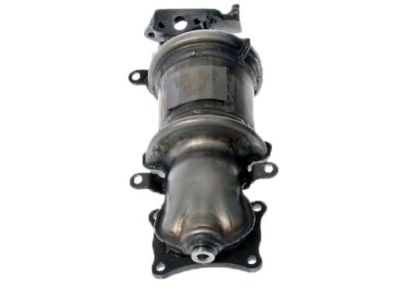

Honda Converter, Front Primary
Part Number: 18190-RN0-A10$1077.08 MSRP: $1572.83You Save: $495.75 (32%)Product Specifications- Other Name: Catalytic Converter; Exhaust Manifold, Preconverter
- Position: Front


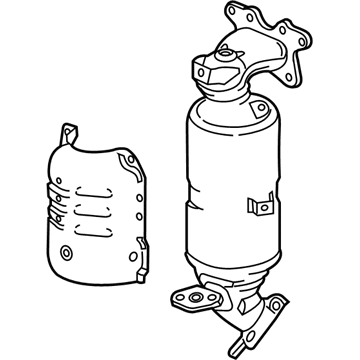
Honda Converter Assy., RR. Primary
Part Number: 18280-5MJ-A00$1152.02 MSRP: $1683.32You Save: $531.30 (32%)


 Product Specifications
- Other Name: Catalytic Converter, Converter
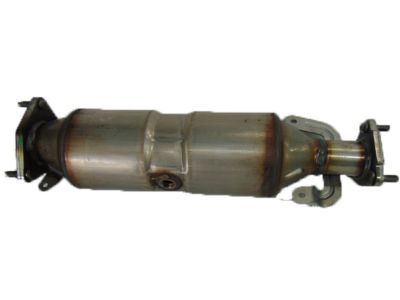
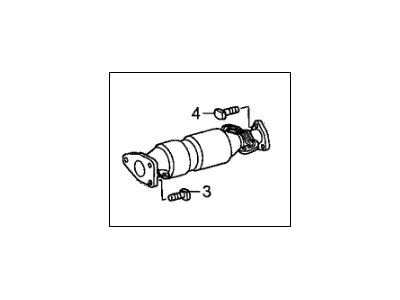
 Product Specifications
- Other Name: Catalytic Converter
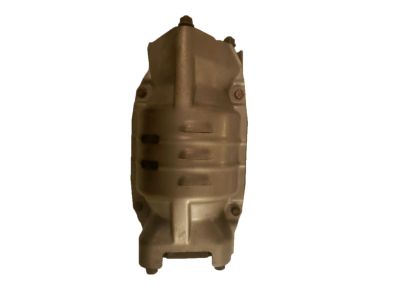
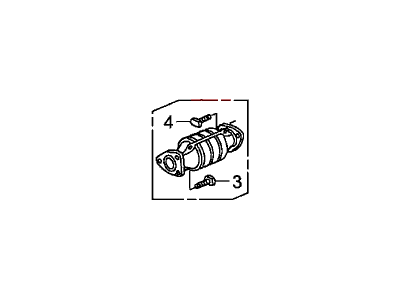
 Product Specifications
- Other Name: Catalytic Converter
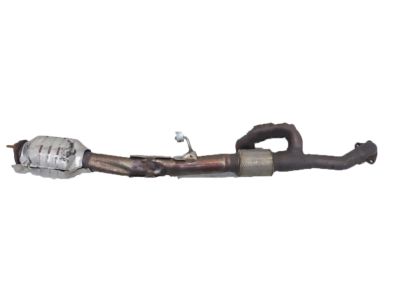
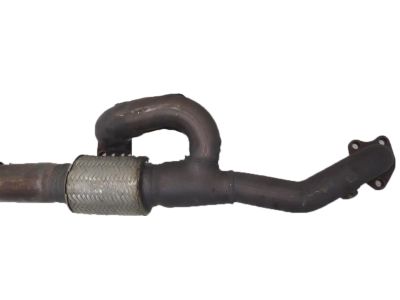
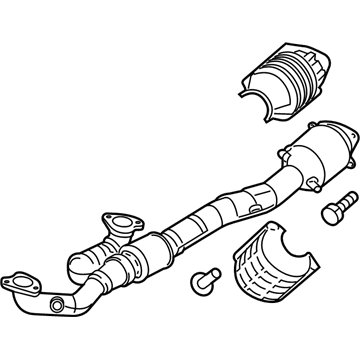
 Product Specifications
- Other Name: Catalytic Converter, Converter & Pipe, Front Pipe

Honda Converter Assy., FR. Primary
Part Number: 18180-RN0-A20$1077.08 MSRP: $1572.83You Save: $495.75 (32%)Product Specifications- Other Name: Catalytic Converter; Exhaust Manifold
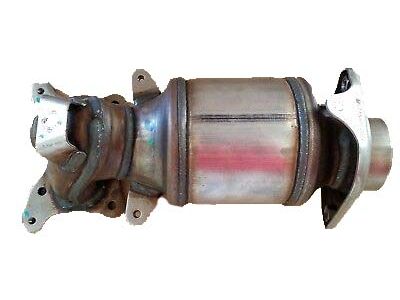

 Product Specifications
- Other Name: Catalytic Converter; Preconverter
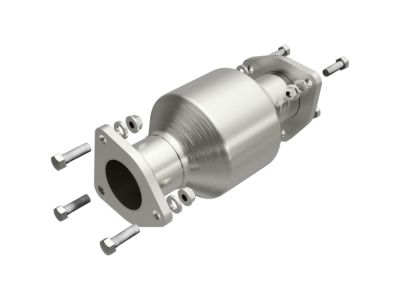
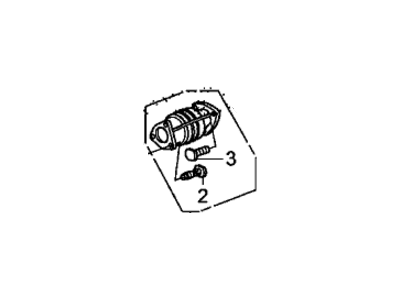
 Product Specifications
- Other Name: Catalytic Converter


 Product Specifications
- Other Name: Catalytic Converter; Exhaust Manifold


 Product Specifications
- Other Name: Catalytic Converter; Manifold
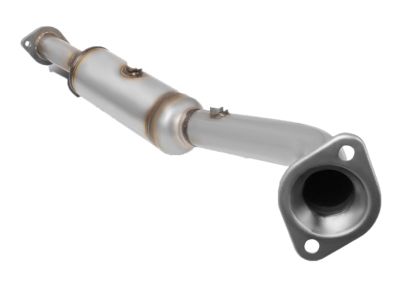
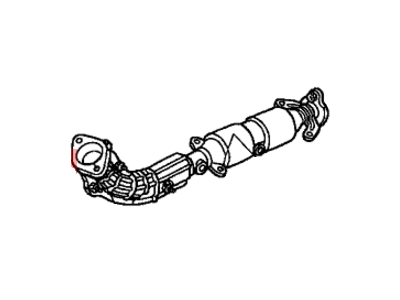
 Product Specifications
- Other Name: Catalytic Converter
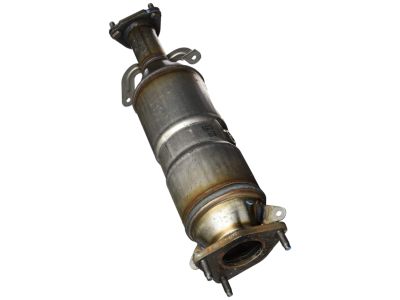 Product Specifications
- Other Name: Catalytic Converter
- Replaces: 18160-RAA-A10
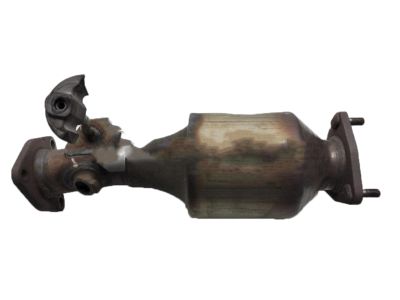

 Product Specifications
- Other Name: Catalytic Converter; Converter & Pipe
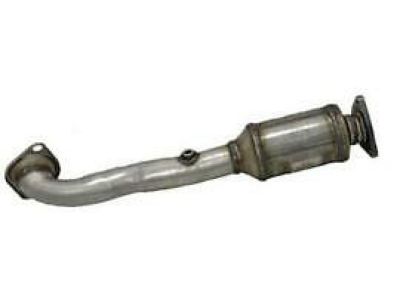
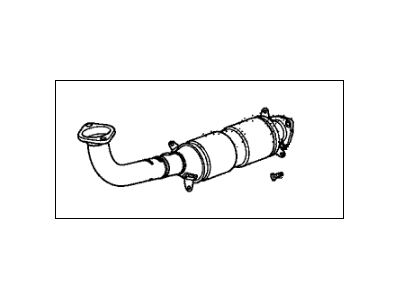
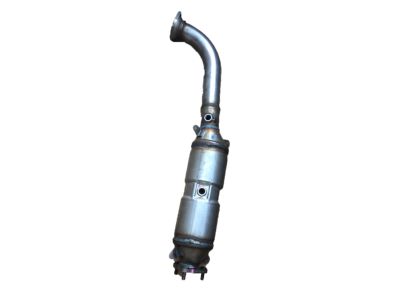
 Product Specifications
- Other Name: Catalytic Converter; Converter & Pipe


 Product Specifications
- Other Name: Catalytic Converter; Exhaust Manifold
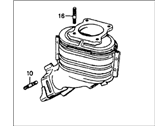
 Product Specifications
- Other Name: Catalytic Converter; Converter & Pipe
| Page 1 of 22 |Next >
1-20 of 421 Results
About Honda Catalytic Converter
Your modern Honda has one or several catalytic converters working on your engine's exhaust fumes to convert their disgusting and harmful gases into something that is far less detrimental, such as nitrogen, carbon dioxide and water vapor, which exits out via a muffler at the rear of your vehicle. In some vehicles, up to 95% of the gases can be converted. Catalytic converters operate by utilizing something called a catalyst which creates a special chemical reaction that is able to drastically reduce the bad. The catalyst is normally a type of precious metal like platinum or palladium, which can be quite costly to use.
Because of this, not all catalytic converters will use the same internal catalyst material. So as long as your catalytic converter is functioning appropriately well, you will be doing the environment and your MPG a small favor. The actual location of the converter will vary, but most of them will be towards the very rear of the entire exhaust system, before the muffler assembly. So if one day it gives out on you, be the savvy shopper by getting your ride a b rand new Honda converter, and you can get back out on the highways with reduced pollution much sooner!
Having a functioning catalytic converter is not only good for your car, but also the environment in your city. We, HondaPartsNow.com, offer you a brand new catalytic converter with a huge discount. You will always be connected with Honda. At HondaPartsNow.com, the high quality genuine Honda parts and discounted prices stick together, and that is why we are you first online source for Honda auto parts. No matter what problem you have in the shopping process, do not hesitate to contact us via live chat or phone, our experienced customer service associates will help you in no time.
Because of this, not all catalytic converters will use the same internal catalyst material. So as long as your catalytic converter is functioning appropriately well, you will be doing the environment and your MPG a small favor. The actual location of the converter will vary, but most of them will be towards the very rear of the entire exhaust system, before the muffler assembly. So if one day it gives out on you, be the savvy shopper by getting your ride a b rand new Honda converter, and you can get back out on the highways with reduced pollution much sooner!
Having a functioning catalytic converter is not only good for your car, but also the environment in your city. We, HondaPartsNow.com, offer you a brand new catalytic converter with a huge discount. You will always be connected with Honda. At HondaPartsNow.com, the high quality genuine Honda parts and discounted prices stick together, and that is why we are you first online source for Honda auto parts. No matter what problem you have in the shopping process, do not hesitate to contact us via live chat or phone, our experienced customer service associates will help you in no time.
Honda Catalytic Converter Parts Questions & Experts Answers
- Q:How to remove and install a catalytic converter on Honda CRX?A:While with some car models it is located in direct line under the vehicle with others it is bolted to the header pipe. To remove and install the converter, the vehicle has to be lifted to a certain position using a jack, and thereafter supported on some stands. New, unbolt the front catalytic converter flange at the flex joint, after that dispose the flex joint gasket followed by the removal of the rear U-bolt connection. Remove nuts of connections that are on the inlet and the outlet of the catalytic converter in order to do away with the converter. To install the converter fix the converter onto the muffler using a new flex joint gasket then secure the converter and muffler assembly to the inlet pipe/flex joint where the air hoses are connected and the U-bolt positioned. Bring the exhaust system into the proper alignment and then tighten all of the nuts and bolts beginning with the front; all pipe connecting bolts should be tightened to 16 ft. lb. The pipe to turbo gasket, flange bolt should be tightened to a torque of 22 N.m and for the pipe-to-converter bolt, header pipe-to-exhaust manifold bolts, converter-to-exhaust manifold bolts should be tightened to 35 ft. lbs. (34 Nm). Last of all, search for leakage in the system and then finally lower down the vehicle.
- Q:What should you consider before replacing a catalytic converter due to a federally mandated extended warranty on Honda Del Sol?A:Due to Federal warranty covering emissions control components including the catalytic converter, it is recommended to contact a dealer service department before replacing the converter at your own cost. The catalytic converter is an emission control device added to the exhaust system to reduce pollutants from the exhaust gas stream, with two types available: The ordinary oxidation catalyst that helps in reducing the hydrocarbon and carbon monoxide emissions and the three way catalyst which reduces the emission of oxides of nitrogen, hydrocarbons and carbon monoxide. The diagnostic tools for a catalytic converter are costly and specialized and if there is any doubt, it is advisable to take the car to a dealer or an emissions testing center for evaluation and repair. When the vehicle is lifted to work on the underbody, it is necessary to inspect the converter for signs of leakage, rust, dents, and other forms of damage, including the welds and flange bolts that Although catalytic converters do not break often, they can become plugged, and the easiest way to check for a restricted converter is to use a vacuum gauge to diagnose the effect of a blocked exhaust on intake vacuum by opening the throttle until the engine speed reaches about 2000 rpm, then releasing it quickly; if there is no restriction, the gauge will quickly drop to not more than 2 in-Hg above its normal reading, while a reading of 5 in-Hg or more above normal, or a momentary hover at the highest reading, indicates that the exhaust system or the converter is plugged, or that an exhaust pipe is bent or dented, or the core inside the muffler has shifted.
- Q:What Components Are Included in the Exhaust System and What Maintenance Practices Are Essential for the Safety and Functionality of the Catalytic Converter on a Honda Fit?A:The exhaust system includes the exhaust manifolds, catalytic converter, muffler, tailpipe, and all connecting pipes, flanges, and clamps, and is isolated from the vehicle body and chassis components by rubber hangers that should be periodically inspected for cracks or deterioration, replacing them as necessary. Regular inspections are essential to maintain safety and quiet operation, checking for damaged or bent parts, open seams, holes, loose connections, excessive corrosion, or other defects that could allow exhaust fumes to enter the vehicle; any deteriorated components should be replaced rather than repaired. For extremely corroded or rusted components, a cutting torch is the most convenient removal tool, but if unavailable, a hacksaw or special pneumatic cutting chisels can be used, with safety goggles and work gloves recommended for protection. When repairing the exhaust system, work from the back to the front, apply penetrating oil to fasteners for easier removal, use new gaskets, hangers, and clamps, apply anti-seize compound to fastener threads during reassembly, and ensure sufficient clearance between newly installed parts and the underbody to prevent overheating and potential damage to the interior.

Related Honda Parts
 Honda Oxygen Sensor
 Honda Exhaust Hanger
 Honda EGR Valve Gasket
 Honda Exhaust Manifold Gasket
 Honda EGR Valve
 Honda Exhaust Manifold
 Honda Exhaust Pipe
 Honda Muffler
 Honda EGR Vacuum Solenoid
Browse by Model
Accord Catalytic Converter Accord Hybrid Catalytic Converter Civic Catalytic Converter Civic Hybrid Catalytic Converter Clarity Plug-In Hybrid Catalytic Converter CR-V Catalytic Converter CR-V Hybrid Catalytic Converter CR-Z Catalytic Converter Crosstour Catalytic Converter CRX Catalytic Converter Del Sol Catalytic Converter Element Catalytic Converter Fit Catalytic Converter HR-V Catalytic Converter Insight Catalytic Converter Odyssey Catalytic Converter Passport Catalytic Converter Pilot Catalytic Converter Prelude Catalytic Converter Ridgeline Catalytic Converter S2000 Catalytic Converter